 |
|
|
EUGENIA UNIFLORA L. - SURINAM CHERRY.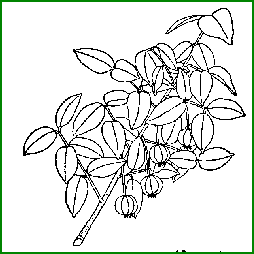 Synonym
 Eugenia michelii Common name Monki monki kersi, Pitanga, Cerise de Cayenne, Cereza de Cayene, Surinam cherry, Red Brazil cherry, pitangueira vermelha, zoete kers, Florida cherry, pendanga, cereza quadrada, Stenocalyx Michelii, Plinia rubra. Family Myrtaceae (Myrtle family). Overview Pitanga is a small tropical tree, indigenous to the Amazon rainforest, growing up to no more than 22'; it has pointed ovate-lanceolate leaves. The leaves are deep green but turn red in the cold winter weather. The leaves have also an essential oil containing citronella, cineole, terpenine, sesquiterpenes and others. The fruits are round, red to dark red, deeply longitudinal grooved berries. There is also a variety with dark crimson fruit; this one is sweeter. They are very juicy and have a high vitamin C content. Besides the vitamin C it has also calcium and phosphorus, iron, vitamin A, riboflavinine, niacine. The fruits contain one or sometimes two, round light brown seeds. Surinam cherry is also used for bonsai and has medicinal applications. Besides cultivation for its fruit, it can also be used in landscaping since it makes hedges, amenable to clipping. In Brazil, the juice is fermented into wine or vinegar. Suriname's traditional medicine A decoction of the leaves is used as a cold remedy. Hardiness USDA zone 8 - 11. Propagation Seeds and cuttings. Due to recalcitrant nature of the seeds, they have a short viable life, can not be dried well and can not withstand low temperatures. Culture Full sun / partial shade, moist soil. Red Brazil cherry has tolerance for drought and grows in almost any type of soil. No tolerance for salt. This tropical plant can successfully be grown in pots indoors in the cooler zones. Indoors, misting of the plants is helpful in winter. Plant in frost free spots, serious damage to young plant occurs at 22° F. Mature plants suffers not much damage and they revive in full sun; serious damage to mature plant, occurs at 20° F. Surinam cherry is a adaptable plant and can be grown in tropical and subtropical zones. Recalcitrant seeds are not refundable since they are prone to fungus and often difficult to germinate. |
For the right freight rate, shipping charges, conditions and delivery service, please visit our Webstore page! |